

I was suddenly immersed in a whole new world of information when my daughter was five, and her dentist told us she had crowding and would eventually need braces. The news left me feeling overwhelmed and uneasy—it just didn’t sit right with me. I couldn’t pinpoint why I didn’t accept it like most parents might, but deep down, I knew there had to be a better alternative to braces. Maybe it was a gut feeling, but I couldn’t settle for the cookie-cutter approach.
Determined to find answers, I went home and started researching. I asked myself, Why do we need braces? What goes wrong? Initially, I thought I’d simply find a better ortho appliance online—but little did I know of the rabbit hole I stumbled on.
After putting the puzzle together, I was agnry. Angry that this vital information isn’t mainstream. So many people could avoid unnecessary pain, expenses, and time if they knew what I had uncovered. And it’s not just about having a straight smile—there are serious health implications that can arise, both in childhood and later in life.
Learning all of this was eye-opening, but it also made me feel like I had failed my kids. The deeper I dug, the wider and more complex the rabbit hole became.
The Importance of Breathing Through Your Nose, Who Knew?!
Let’s start with breathing. Breathing is something we do instinctively, but how we breathe can have a huge impact on our health, development, and overall well-being. I found out that not only does nasal breathing impact our health, it plays a crucial role in shaping our facial structure, dental health, and even our ability to function optimally. I was shocked.
I was clueless as to why it even mattered. I found out that breathing through your nose is not just about oxygen intake. The nose is our filter, humidifier, and regulator for the air we breathe. It ensures that the air entering our lungs is clean, warm, and at the right humidity levels, which optimizes oxygen absorption. Nasal breathing also supports the production of nitric oxide, a molecule that helps improve blood flow, reduce inflammation, and bolster immune function.
Ok, so we all breath. How is it that nasal breathing impacts the teeth, I wondered? It turns out it has a significant influence on facial and dental development. During childhood, PROPER nasal breathing encourages the tongue to rest against the roof of the mouth, stimulating the growth of a wide palate and well-aligned teeth. I found this crazy! I don’t know if you are geeky like me, but I found this facinating. So you are telling me that if I just had my child breath through their nose, put their tongue up on the roof of their mouth, that that alone would expand the palate? And perhaps no braces needed? Again I ask, why aren’t we told this!?!
But instead, mouth breathing kids will often have a high narrow palate, crowded teeth, and perhaps a recessed jaw, contributing to a less defined facial structure. And the recessed jaw is no joke. It can make it so the airway (windpipe) is small and they cannot get in as much air, especially while sleeping, creating sleep apnea. This is a big health issue, not just an aesthetic one. And the high palate. Think about it, if a person has a high palate (roof of the mouth) it is taking away vital real estate from the nasal passage. So again, less air. I was a bit upset finding out we have more of a “say” on how our mouths turn out. So we aren’t stuck at the mercy of painful orthodontic procedures? And some of those can be harmful, as I found out. I mean everything has it’s risks, but if there is a better, more natural way, a more harmonious way that works better for the body, why not? Let’s dig deeper.
Mouth Breathing and Its Effects
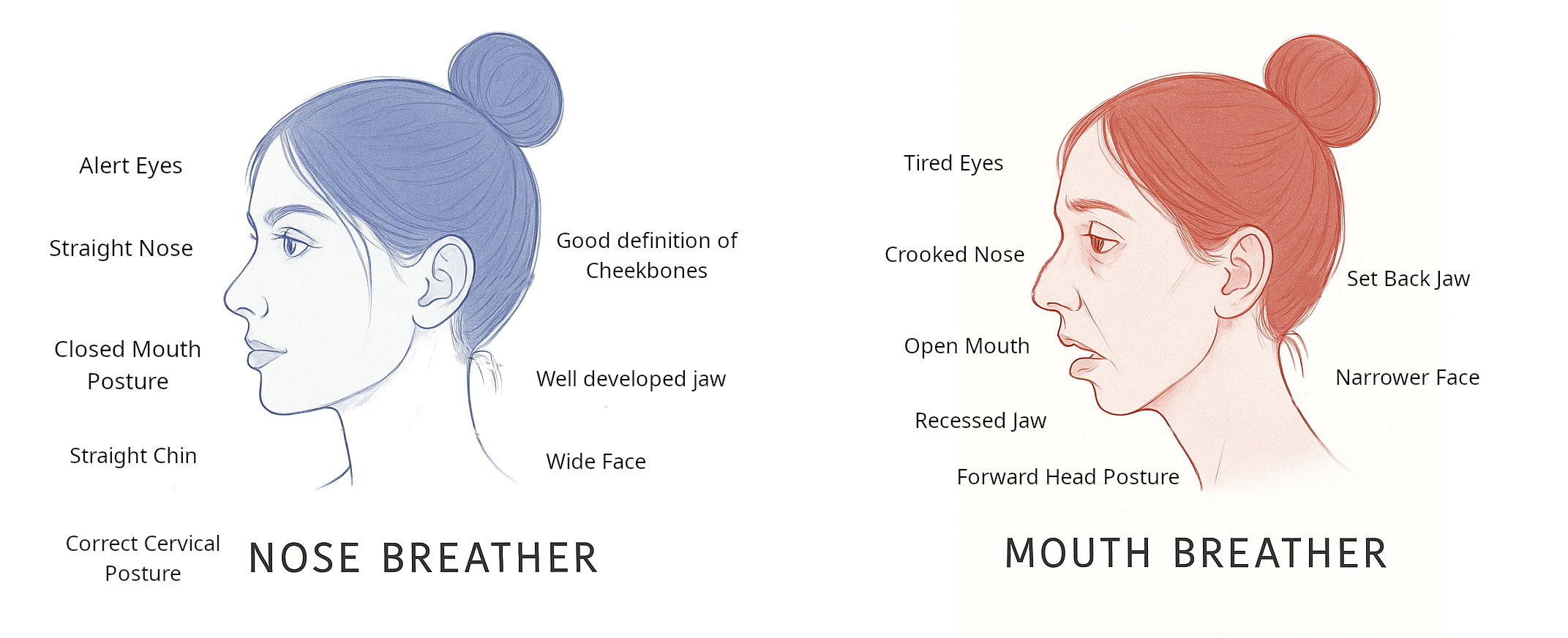
As we are finding out, mouth breathing can significantly alter facial structure and dental alignment, leading to a range of health issues that many may not realize. When people breathe through their mouths instead of their noses, it can create a cascade of effects on the development of facial bones and teeth. Studies indicate that this habit can cause elongated faces, narrow jaws, and misaligned teeth.
Traditional practices among Indigenous cultures highlight the importance of maintaining proper tongue posture; for instance, when babies slept, caregivers would gently check to ensure their tongues were suctioned to the roof of their mouths. This simple yet effective technique promotes optimal oral health from an early age by encouraging nasal breathing and proper jaw alignment. By adopting such wisdom from these time-honored practices today, we could potentially mitigate mouth breathing’s adverse effects on our children’s dental health and overall well-being.
Health Issues Associated with Mouth Breathing
Mouth breathing isn’t just an aesthetic concern—it can lead to serious health problems. One of the most significant issues is sleep apnea, a condition where breathing repeatedly stops and starts during sleep. What happens is when at sleep, the tongue falls back into the throat, cutting off air. Sleep apnea deprives the brain of oxygen, leading to poor sleep quality, daytime fatigue, and cognitive impairments. Over time, it can increase the risk of heart disease, stroke, and diabetes.
In addition to sleep apnea, mouth breathing is linked to a host of other health issues:
- Chronic Fatigue: Poor oxygenation from inefficient breathing can lead to persistent tiredness and a lack of energy.
- Cardiovascular Problems: Reduced oxygen intake and poor sleep quality increase the risk of high blood pressure, arrhythmias, and heart disease.
- Digestive Issues: Mouth breathing often leads to swallowing air, which can contribute to bloating and gastrointestinal discomfort.
- Immune Dysfunction: Breathing through the mouth bypasses the nasal cavity’s filtering system, allowing more pathogens and allergens to enter the lungs and bloodstream.
- Cognitive Impairments: Insufficient oxygen levels, particularly during sleep, can affect memory, focus, and overall brain function.
- Poor Posture and Musculoskeletal Pain: Mouth breathing alters head and neck alignment, potentially causing tension headaches, neck pain, and even back problems.
- Behavioral and Developmental Issues in Children: Chronic mouth breathing is linked to ADHD-like symptoms, reduced academic performance, and stunted physical growth due to inadequate oxygenation and poor sleep quality.
Nasal breathing, on the other hand, ensures a steady flow of oxygen and promotes better sleep, improved cardiovascular health, and enhanced cognitive function. Addressing mouth breathing early can prevent or mitigate these health concerns, making it a crucial aspect of overall well-being.
The Role of Modern Lifestyles
Also, in my digging of information, I found that our ancestors enjoyed robust facial structures and wide dental arches, largely due to their diets and lifestyles. Traditional diets were rich in tough, fibrous foods that required significant chewing, which helped them develop strong jaw muscles and properly aligned teeth. In contrast, modern processed foods are often soft and lack the nutrients necessary for optimal growth.
No to mention modern lifestyles have largely relegated us to indoor living, leading to a range of issues that impact both our physical structure and our environment. Living indoors often exposes us to stale, stuffy air filled with allergens that can exacerbate respiratory problems and can contribute to becoming a mouth breather. By recognizing these changes in our dietary practices and living conditions, we can better understand their effects on our bodies and take steps toward healthier habits that promote not just better digestion but also improved respiratory health.
Natures Braces? What a Concept
When the tongue is up on the roof of the mouth and the lips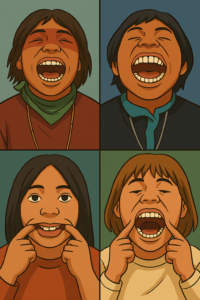 are closed and sealed properly, that is natures braces! If you think about it, how did people so long ago have nicely aligned teeth? Dr. Weston A. Price, a pioneering dentist and researcher, observed the profound impact of dietary changes on oral health. During his travels in the early 20th century, he studied Indigenous populations who maintained traditional diets rich in whole, unprocessed foods. These groups exhibited wide dental arches, straight teeth, and robust facial structures.
However, when these same populations adopted modern Western diets—high in refined sugars and processed foods—Price noticed a dramatic decline in their oral health. 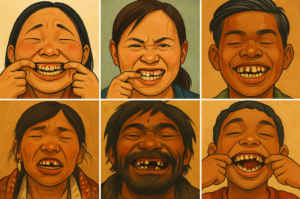 Their children often displayed narrower dental arches, crowded teeth, and an increased prevalence of cavities and other dental issues. Price’s research highlights how critical nutrition is for oral and facial development, and it serves as a reminder of the detrimental effects of modern dietary practices. Also to note, they didn’t need wisdom teeth removed because they had enough room in their mouths to accommodate these teeth. I heard a friend’s daughter say her high shool teacher was teaching that our skulls are changing via evolution ( and in a way is true) and that is why we need them removed. No way! We are just not living the way our primal friends did and we are paying the price.
Is there hope?
Yes! I have found that the earlier you start the better. If you catch this early, your child may never need braces or palatal expanders, etc… How many people these days can say that? So what can we do? Start off like the indigenous and make sure to train your infant to have their tongue suctioned to the roof of their mouth. Breastfed babies naturally make that suction with the nipple and all the drinking is great for the palate. I made the mistake of bottle feeding my eldest due to intense nipple pain. And then my son, I let him fall asleep at the breast with his mouth wide open. I now know that that is why he has a recessed jaw. We are now paying the price of trying to figure out how to correct it with out going thru the run of the mill way and later I will discuss the dark side of orthodontics that no one talks about.
So what else can we do to help things go in the right direction? Make sure you home is health for breathing. You should read my post about candles and indoor air. Importantly, during and after they get sick, make sure they return to nasal breathing. When babies are old enough to start gnawing on things for teething, give them hard items. I have known people giving their babies bones to gnaw on. As long as they are in good shape and not small enough to swallow, what a great idea! Feed them hard foods and soon as safe to do so. Get them chewing. All of this helps grow that palate.
Things that hinder palate growth and/or create mouth breathing:
- Tongue ties– there are a lot of different types a ties, I suggest you find someone in your area that can help you diagnos and treat them.
- Thumb sucking
- Pacifier use
Restoring Proper Breathing Patterns
So what can do you do if you are to late to the party? Relearning how to breathe properly is essential for many people, especially those who have developed poor habits due to modern lifestyles. Factors like chronic stress, allergies, sedentary behavior, and indoor living can lead to shallow, mouth-dominant breathing patterns that compromise oxygen delivery and overall health. For a mouth breather learning to establish nasal breathing, it can feel like you are drowning. But with a new breathing practice, this really can help diminish that feeling and sets you on the right foot for nasal breathing.
One such breathing method is Buteyko Breathing, created by Dr. Konstantin Buteyko, this method is designed to address dysfunctional breathing by retraining individuals to breathe gently, slowly, and primarily through the nose. Many people unknowingly hyperventilate, which disrupts the balance of oxygen and carbon dioxide in the blood. Buteyko breathing exercises help restore this balance by improving carbon dioxide tolerance, encouraging efficient oxygen delivery, and fostering a calm, steady respiratory rhythm. This relearning process is particularly beneficial for those with conditions like asthma, sleep apnea, and anxiety, as it helps regulate breathing and reduce over-reliance on mouth breathing.
But we also need to focus on relearning how we should be holding our mouths at rest. Meaning, tongue up and lips closed. This can take some time for mouth breathers to establish and often the muscles in the mouth are weak and need strengthening. This is where OMT comes in. OMT, or Orofacial Myofunctional Therapy is a therapy that targets the muscles of the face, mouth, and throat, teaching proper tongue posture and encouraging nasal breathing. It is especially effective for addressing mouth breathing and its associated dental and developmental issues. Exercises may include tongue placement drills, lip-sealing techniques, and chewing exercises to strengthen oral facial muscles. I highly recommend if you have a mouth breather, you are going to want to see and OMT. Full stop.
Innovative Dental Devices
In some cases, dental devices can play a pivotal role in correcting structural issues and promoting nasal breathing. Sometimes, the body needs an assist and you need a device. Two notable options are the ALF (Advanced Lightwire Functional) appliance and the Vivos system.
- ALF Appliance: This lightweight, flexible device gently stimulates cranial and dental development, encouraging the expansion of the palate and alignment of the teeth. It’s often used alongside OMT for optimal results.
- Vivos System: This innovative system focuses on correcting airway obstructions and promoting proper jaw alignment. By addressing the root causes of poor breathing, the Vivos system supports long-term health improvements.
There are many synergistic devices on the market that are aimed at treating the misalignment of the teeth. You will have to research them and figure out what is best for your family and it’s budget. We went with the ALF. The reason being is it is a palate expander that works with the body, rather than forcing the body to expand. I have heard conflicting information about palatal expanders. I have heard some people think that it can create long term problems/damage. So I new I didn’t want the standard palate expander. With the ALF, every time the tongue is up on the roof of the mouth and my child swallows, it pushes on the wire and that slowly helps expand the palate. The other reason I like the ALF, is there is not a lot of the device in their mouth. So while we were learning and doing OMT, my kids had a place to put their tongues. Some appliances make that impossible which feels like going backward. One of the caveats of the ALF, is they should be seeing an Osteopath in conjuction.
Is there anything wrong with doing traditional Ortho?
Yes, it can sometimes lead to complications. My Osteopath has been practicing for over 20 years and has seen some really crappy stuff at the hands of orthodontic treatments. And the really crappy thing is, we often don’t even think to put two and two together that it was the ortho that was the cause.
Per my Osteopath:
“Traditional braces, put incredible strain on the bones of the head, and therefore the nervous system, as well as the fascia throughout the body.
I was just on a zoom call with six people who all had trigeminal neuralgia following these kind of procedures. This is a very painful electric like shock to the face that is life ruining,
One patient who we had gotten better from ear infections using cranial osteopathy, ended up in the hospital on IV vent antibiotics for three weeks with the most serious of ear infections within a couple of days of starting braces.
I am treating another patient that developed seizures right after getting braces.
The list goes on and on and orthodontist have no idea that these health problems that develop in their patients are related to the braces that are placed.
Migraines.
Sinus infections
Hair loss
Vertigo
Scoliosis
Ear infections
Seizures
Vision changes requiring glasses
Neck pain
Upper back pain
Low back pain
Higher susceptibility to infection
These are just a few of the problems that we see. It is a literal health crisis that is being created without any knowledge.
Very few dentist are trained in cranial osteopathy. The ones that are are worth their weight and gold, and they not only help people with all these problems, but prevent them from occurring in the first place.”
It’s not only those stories, but below is a list of what is on the paper work when you sign up to have orth treatment that they disclose to you of the “side effects”.
Headaches and Migraines
- There is anecdotal evidence suggesting a link between orthodontic braces and headaches, particularly migraines. Some patients report experiencing headaches during orthodontic treatment.
Jaw Pain and Temporomandibular Joint (TMJ) Disorders
- Orthodontic treatment can sometimes lead to jaw discomfort or exacerbate temporomandibular joint disorders. The constant pressure applied to teeth and jaws during treatment may contribute to these issues. ( I personally developed TMJ while wearing braces. I still have some issues, but my Osteopath has really helpled)
Soft Tissue Damage
- Braces can cause irritation or damage to the inside of the cheeks, lips, and tongue. The brackets and wires may be harsh on the soft tissues, leading to discomfort and sores.
Tooth Sensitivity and Root Resorption
- Some patients experience increased tooth sensitivity during orthodontic treatment. Additionally, prolonged use of braces has been associated with root resorption, where the roots of teeth shorten, potentially affecting long-term dental health.
Eating Disorders
- In rare cases, the dietary limitations imposed by braces can contribute to the development of eating disorders, particularly in adolescents. A case study reported a 12-year-old patient developing an eating disorder linked to the challenges of eating with braces.
I did ask him why he is ok with Damon Braces and Invisilign, and this is what he had to say, “All of them will cause the same kind of problems if the patient is not treated with cranial osteopathy. The difference is that with the Damon braces or the Invisalign, there is still motion in the cranium, although restricted. It can be treated to prevent the severe consequences of having the cranial mechanism, locked up, strained and restricted.”
Takeaways for Better Breathing
Widening the palate through OMT and/or dental appliances not only improves dental alignment but also has the potential to physically enlarge the airway. And by creating more space in the nasal cavity, individuals experience enhanced airflow and better nasal breathing. This increased airway volume reduces the resistance to breathing and promotes more efficient oxygen exchange. Expanding the palate can also alleviate symptoms of sleep-disordered breathing and improve overall respiratory health, making it a transformative solution for those struggling with chronic mouth breathing and its associated complications.
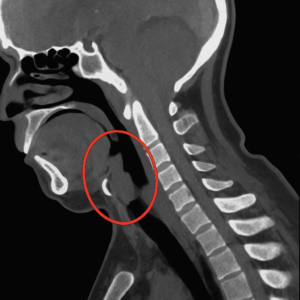
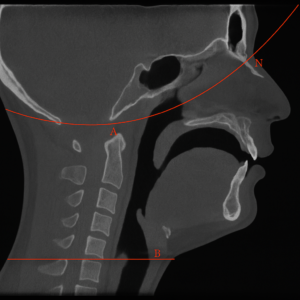
If you look closely to these images, you can see in the first picture, that the airway (throat) is much more wide than that in the second picture. Widening the palate and fixing a recessed jaw will help this tremendously.
I hope that I have not overwhelmed you with all this new information, but I hope instead I have empowered you to make changes for you or your family memebers. And my hope is we spread the word about this. This is mother nature at work, and let work with her, rather than against her. Our bodies will thank us.