
The Truth About Oxalates: How They Wreak Havoc on Your Body
Oxalates are a naturally occurring compounds found in many plant-based foods, but what most people don’t realize is that oxalates can be incredibly harmful to human health. Despite being marketed as “superfoods,” many high-oxalate foods can contribute to chronic illness, inflammation, and metabolic dysfunction.
Sally K. Norton, a leading expert on oxalate toxicity and author of “Toxic Superfoods,” has spent years researching the effects of oxalates and their link to numerous health problems. Similarly, Dr. Anthony Chaffee, a neurosurgeon and advocate of the carnivore diet, warns that plants are not as harmless as we think—they have evolved chemical defenses to deter consumption, and oxalates are a prime example of this.
What Are Oxalates, and Why Are They Harmful?
Oxalates are organic acids found in many plant foods, including spinach, almonds, sweet potatoes, and chocolate. While the body can eliminate small amounts, excessive oxalates  can bind to minerals like calcium and form sharp, crystal-like structures that accumulate in tissues, leading to serious health issues.
How Oxalates Wreak Havoc on the Body
Kidney Stones – Oxalates bind with calcium in the kidneys, forming painful stones.
Joint Pain and Inflammation – Oxalate crystals can deposit in joints, mimicking symptoms of arthritis and autoimmune disorders.
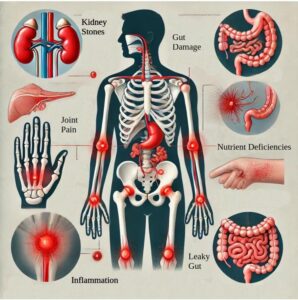
Gut Damage and Leaky Gut – Oxalates irritate the gut lining, contributing to digestive issues.
Thyroid Dysfunction – Oxalates can bind to iodine, affecting thyroid function and metabolism.
Nutrient Deficiencies – They interfere with calcium, magnesium, and iron absorption, leading to bone loss and fatigue.
Sally K. Norton’s Research on Oxalate Toxicity
Sally K. Norton has dedicated her work to exposing the dangers of oxalates, showing how they accumulate in the body over time, leading to chronic pain, digestive issues, and even neurological symptoms. In her book, “Toxic Superfoods”, she explains how many so-called “healthy” plant-based foods can actually be harming us.
Norton provides practical strategies to reduce oxalate intake, detox the body safely, and avoid the harmful effects of oxalate accumulation.
👉 Learn more from Sally K. Norton here: https://sallyknorton.com
Dr. Anthony Chaffee: Are Plants Trying to Kill Us?
Dr. Anthony Chaffee takes this discussion further, arguing that plants don’t want to be eaten—they use chemical warfare to deter predators. In his talk, “Plants Are Trying to Kill You!”, he explains how oxalates, lectins, and other plant toxins act as natural pesticides, harming those who consume them over time.
Dr. Chaffee supports a meat-based diet as the optimal way to avoid plant toxins, stating that many chronic health conditions improve when plant-based foods are removed from the diet.
Watch Dr. Chaffee’s talk on YouTube: Plants Are Trying to Kill You!
How to Reduce Oxalate Exposure and Detox Safely
If you’ve been consuming high-oxalate foods for years, it’s important to reduce them gradually to avoid oxalate dumping, which can cause temporary worsening of symptoms.
Ways to Reduce Oxalates
Identify High-Oxalate Foods – Avoid or limit spinach, almonds, beets, and sweet potatoes.
Adopt Low-Oxalate Alternatives – Replace high-oxalate foods with safer options like meat, dairy, and low-oxalate vegetables.
Use Proper Food Preparation – Soaking, boiling, and fermenting can help reduce oxalate levels. Our ancestors knew this.
Balance Nutrients – Ensure adequate calcium and magnesium intake to bind oxalates in the gut and prevent absorption.
👉 Explore Sally K. Norton’s Low-Oxalate Diet Guide: https://sallyknorton.com/relief
The Bottom Line: Should You Be Eating Plants?
While some plants can be tolerated in moderation, high-oxalate foods can be toxic for many people, especially those with existing kidney, gut, or inflammatory conditions. Both Sally K. Norton and Dr. Anthony Chaffee highlight the hidden dangers of plant compounds, urging people to rethink their food choices.
If you’re struggling with chronic pain, fatigue, digestive issues, or metabolic dysfunction, oxalates could be a hidden culprit in your diet.
Want to learn more? Check out Sally K. Norton’s research and Dr. Anthony Chaffee’s work to make informed choices about your health.